
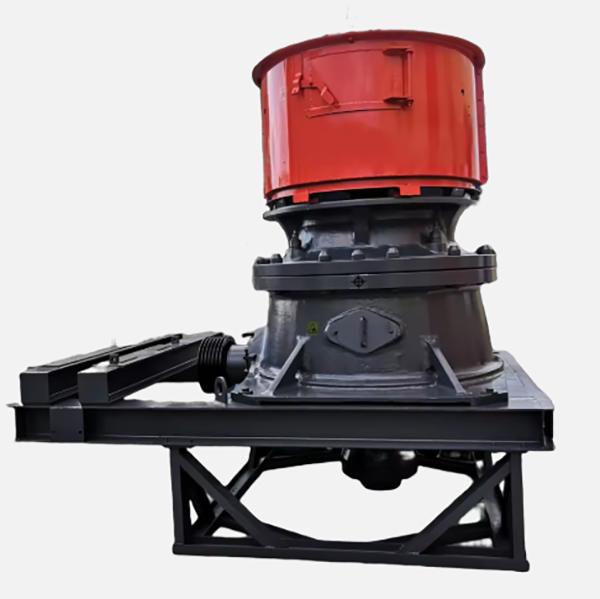
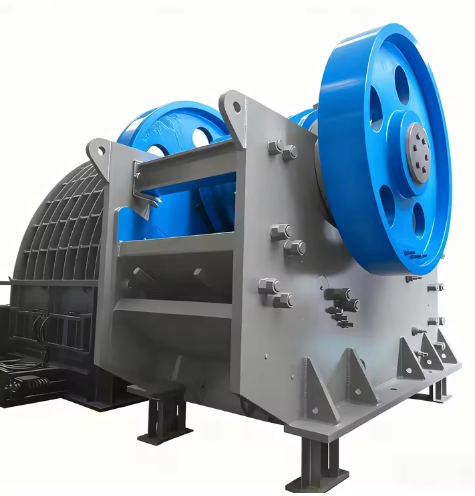
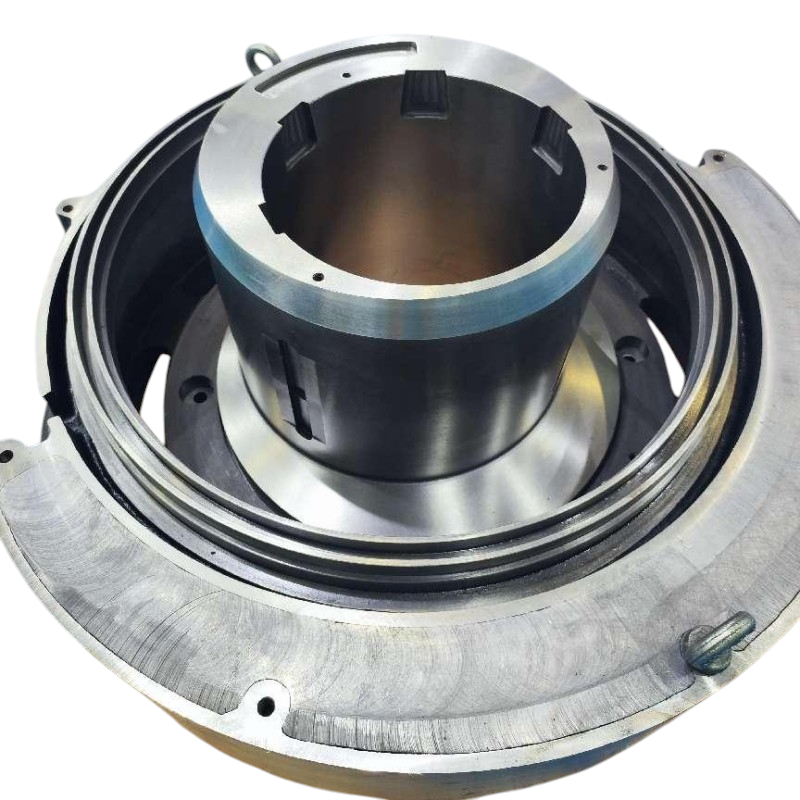
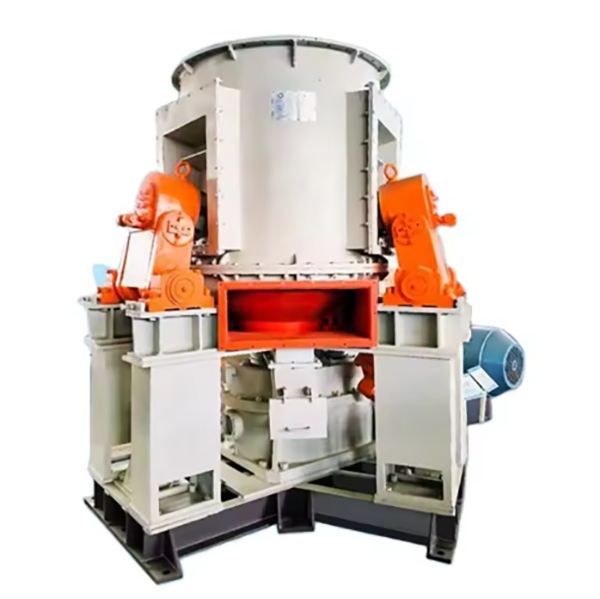
As the core load-bearing component of cone crushers, frames endure constant high-frequency impacts, extrusion and alternating loads in mining, metallurgy and building materials operations. Their durability is the key to ensuring the long-term stable operation, service life and production efficiency of the whole equipment. How to build a durable cone crusher frame through professional manufacturing and technical optimization has become a core focus of high-end equipment manufacturing. The secret to a long-lasting frame lies in the synergistic control of four core links: high-strength material selection, precision welding technology, structural design optimization and rigorous full-process quality inspection.
High-Strength Base Materials: The Foundation of Durability
Material selection is the primary guarantee for the frame’s anti-impact and anti-deformation performance. Mainstream durable cone crusher frames adopt ZG35 cast steel or high-strength alloy steel as the core base material; high-end models even use precision cast and forged high-strength alloy steel, which endows the frame with excellent tensile, compressive and fatigue resistance. It can easily withstand heavy-load impacts during the crushing of medium and hard materials, effectively avoiding plastic deformation and cracks caused by long-term high-frequency operations, and laying a solid material foundation for the long service life of the frame.
Precision Welding Technology: Safeguard Structural Strength & Sealing
Cone crusher frames are assembled by welding key components such as center frames, cylinders and upper flanges, and welding quality directly determines the overall structural stability of the frame. Mature industrial welding processes follow strict standardized operations throughout the whole process: pre-welding, high-adaptability electrodes such as E5015 and E5016 are selected and dried, and the base material is preheated to reduce cold crack risks; during welding, customized groove forms are adopted for different parts, with strict control of welding current and speed to ensure sufficient weld penetration and uniform forming; post-welding, carbon arc gouging root cleaning and heat preservation slow cooling are carried out to reduce residual welding stress. This precision welding ensures no undercut, porosity, cracks and other defects in the welds, making the frame a solid integrated structure and ensuring excellent structural strength and sealing performance.
Structural Design Optimization: Eliminate Vulnerabilities & Optimize Force Bearing
Wetenschappelijke structurele optimalisatie voorkomt fundamenteel veelvoorkomende faalpunten bij het gebruik van frames en verbetert de algehele duurzaamheid. Om de pijnpunten van traditionele frames, zoals losraken van bouten, beschadiging van schroefdraad en overmatige trillingen door instabiele tandwieloverbrenging, aan te pakken, heeft de industrie gerichte optimalisatieoplossingen geïntroduceerd: het upgraden van het aantal en de specificaties van verbindingsbouten om de vastheid van de verbindingen te verbeteren; het herontwerpen van de verbindingsstructuur tussen het aandrijfasframe en het hoofdframe om boutvermoeidheidsbreuken en schroefdraadslijtage te voorkomen; het optimaliseren van de algehele krachtdragende structuur om de trillingsamplitude van het frame te verminderen en extra belastingen door axiale beweging te voorkomen. Het geoptimaliseerde frame heeft een meer rationele krachtverdeling, waardoor het risico op scheuren en vervorming effectief wordt verminderd en de operationele stabiliteit en duurzaamheid verder worden verbeterd.
Grondige inspectie van het gehele proces: waarborging van de kwaliteitsstandaard.
De productie van duurzame frames is onlosmakelijk verbonden met een strenge en uitgebreide kwaliteitscontrole. Deze controle volgt strikt de normen JB/T 6988-2002, JB/T5000.3-98 en andere industriestandaarden en omvat multidimensionale tests, van uiterlijk tot interne kwaliteit. Visuele inspectie is de eerste stap om de lasafmetingen en oppervlaktedefecten te controleren. 24 uur na het lassen wordt ultrasoon foutdetectie uitgevoerd op cruciale spanningspunten, zoals de steunboog en de omtreklassen van de bovenflens. De laskwaliteit moet klasse II bereiken om verborgen interne defecten uit te sluiten. De dimensionale, hoek- en geometrische toleranties van het frame worden nauwkeurig gecontroleerd om te voldoen aan de hoge eisen voor assemblage, waardoor extra trillingen en belasting door dimensionale afwijkingen worden voorkomen. De strenge inspectie van het gehele proces garandeert dat elk frame dat de fabriek verlaat voldoet aan de ontwerpnormen en elimineert verborgen kwaliteitsrisico's bij de bron.
De duurzaamheid van kegelbrekerframes is het resultaat van een geïntegreerde optimalisatie van materialen, vakmanschap, ontwerp en testen. In het tijdperk van grootschalige en zeer efficiënte ontwikkeling van mijnbouwapparatuur is het vasthouden aan professionele productieprocessen en nauwkeurige controle van elke productiestap essentieel voor het creëren van een robuust en stabiel frame. Hoogwaardige, duurzame frames bieden een sterke basis voor de langdurige en stabiele werking van kegelbrekers, verbeteren effectief de productie-efficiëntie van mijnbouw- en metaalbedrijven en injecteren solide technische kracht in de hoogwaardige ontwikkeling van de industriële breekapparatuurindustrie.
#Kegelbreker #Breekmachineframe #Productietechnologie #Mijnbouwapparatuur #DuurzameBreekmachine #StructureleOptimalisatie #Precisielassen #Mijnbouwmachines #MetallurgischeApparatuur #Breekapparatuur
